Conference on Land Policy in Africa (CLPA 2025)
10-14 NOVEMBER 2025
at UNITED NATIONS ECONOMIC COMMISSION FOR AFRICA, ADDIS ABABA, ETHIOPIA
The Sixth Conference on Land Policy in Africa (CLPA 2025) convened in Addis Ababa from 10–13 November 2025 under the overarching theme “Land Governance, Justice and Reparations for Africans and Descendants of People of the African Diaspora.” The tripartite organisers were the African Union Commission (AUC), the African Development Bank (AfDB) and the United Nations Economic Commission for Africa (ECA), with the African Land Policy Centre (ALPC) coordinating programme delivery.
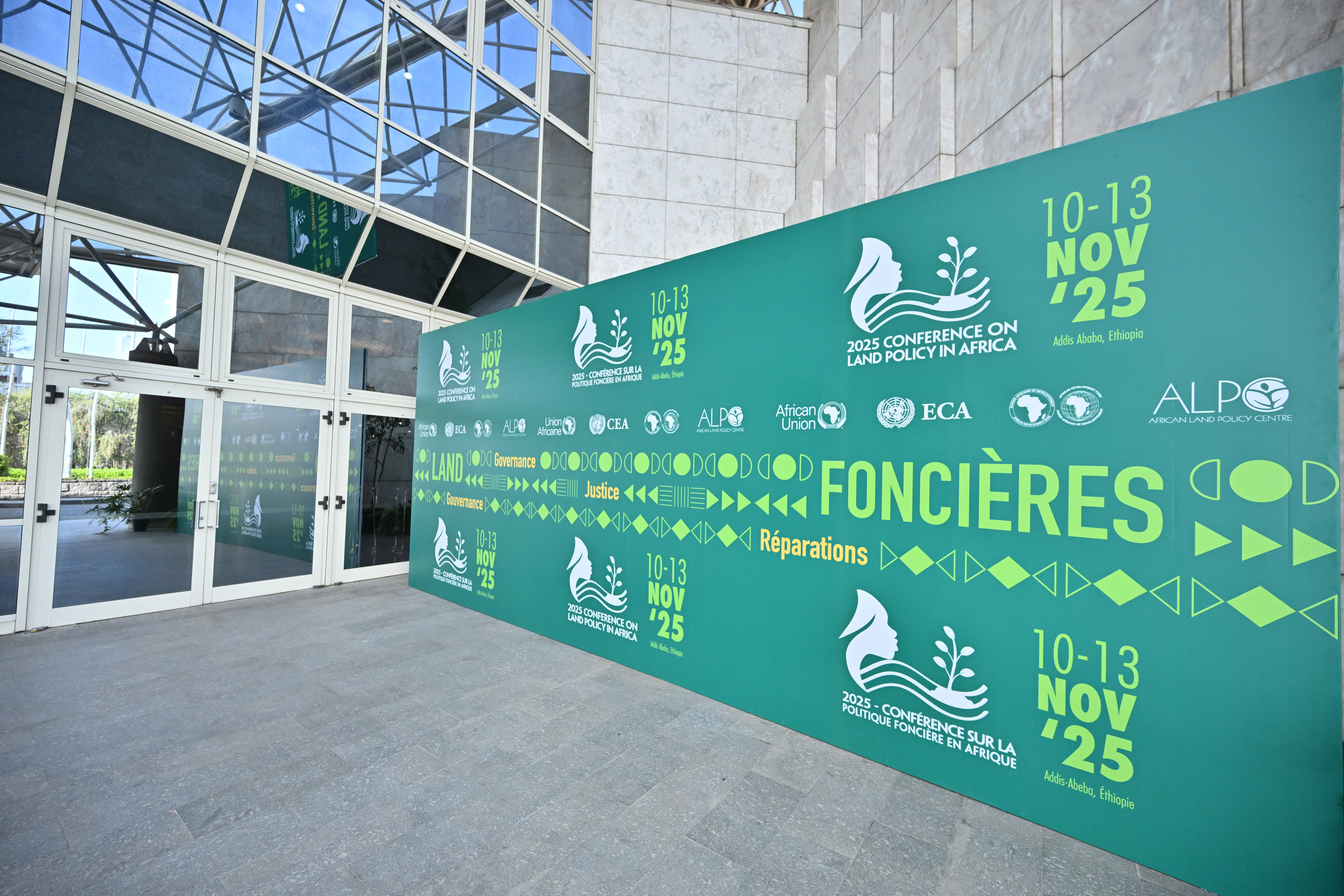
Banner of the Conference on Land Policy in Africa
The conference assembled government representatives, regional institutions, researchers, civil society, traditional authorities, and private-sector actors to interrogate how colonial legacies and contemporary investment pressures shape land access, tenure security, and social justice across Africa. Key streams examined reparative approaches to historic dispossession; harmonisation of customary and statutory tenure systems; gendered exclusion and women’s land rights; the politics of land redistribution; data and land administration reforms; and the risks associated with large-scale “green” investments and extractive projects. Twaweza Communications was honoured to participate in the conference through the CEO, Prof. Kimani Njogu.
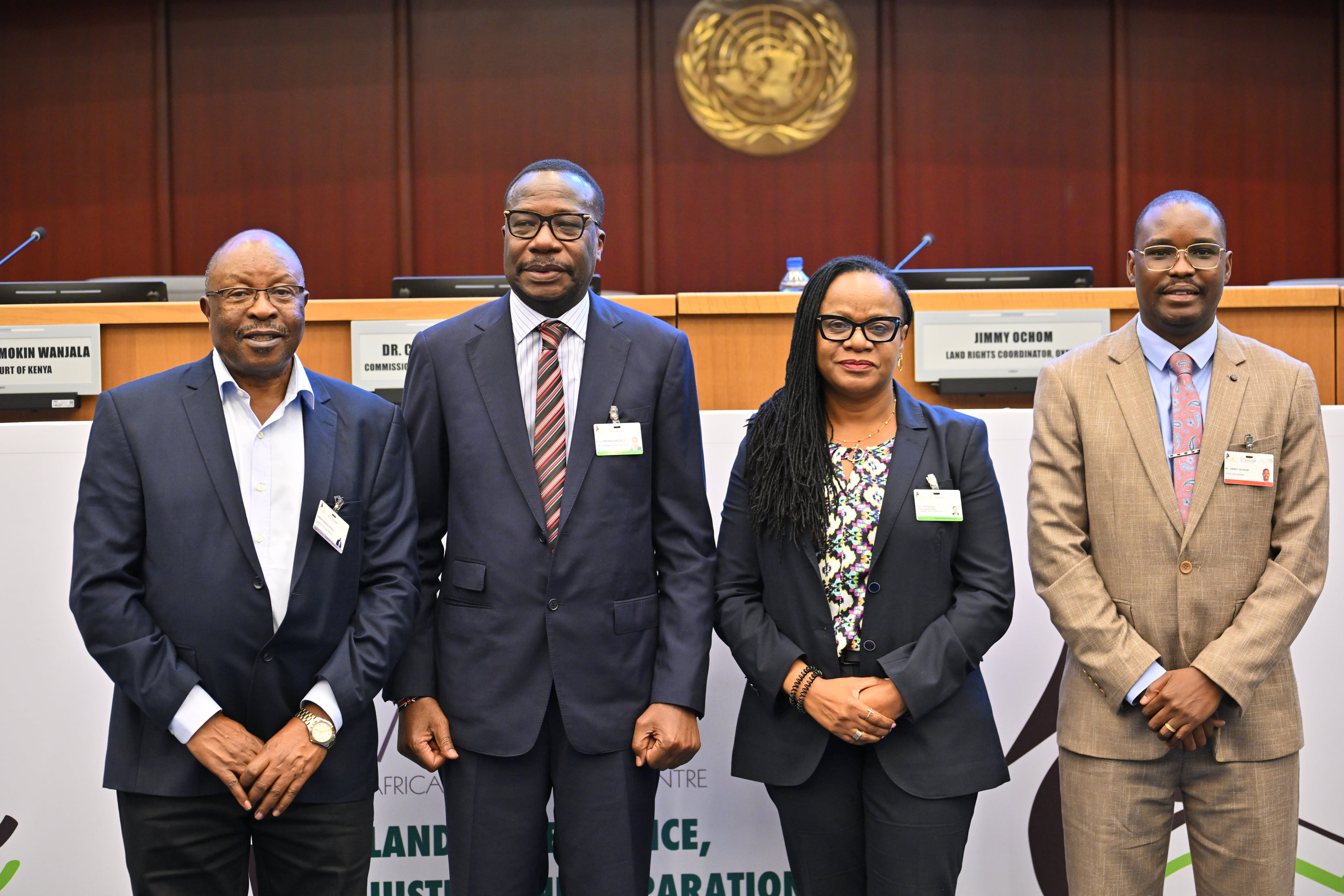
From left to right: Prof. Kimani Njogu (CEO Twaweza Communications), Justice Smokin Wanjala (Justice of the Supreme Court of Kenya), Dr. Tsitsi Choruma-Dozwa (Commissioner-Zimbabwe National Lands Commission), Jimmy Ochom (Land Rights Coordinator-Oxfam Uganda)
A dominant message throughout the sessions was that legal reform alone is insufficient: effective reparative justice requires political will, institutional realignment, sustained domestic financing, inclusive data systems, and mechanisms for meaningful community participation and post-transfer support. Multiple panels emphasized that chiefs and cultural institutions remain central actors and must be engaged through capacity building, accountability mechanisms, and pilot models that demonstrate how customary and statutory arrangements can coexist equitably. Findings from country case studies on formalization and post-titling, gendered inheritance practices, and private-sector investment impacts were used to surface operational recommendations.
The conference closed with a continent-wide “Call to Action” urging member states and partners to translate commitments into concrete national strategies: domestic financing of land agendas, stronger grievance and benefit-sharing frameworks for investments, legal measures to protect communal and sacred lands, and targeted interventions to secure women’s land rights. The CLPA also positioned land reform as integral to broader climate resilience, food security, and African sovereignty objectives. The organisers and participating stakeholders signalled intent to track progress and to mainstream reparative land policy in continental plans going forward. View Call to Action
CLPA’s policy platforms and Twaweza’s communications and outreach capabilities create a complementary bridge from continental commitments to citizen-driven change on the ground.
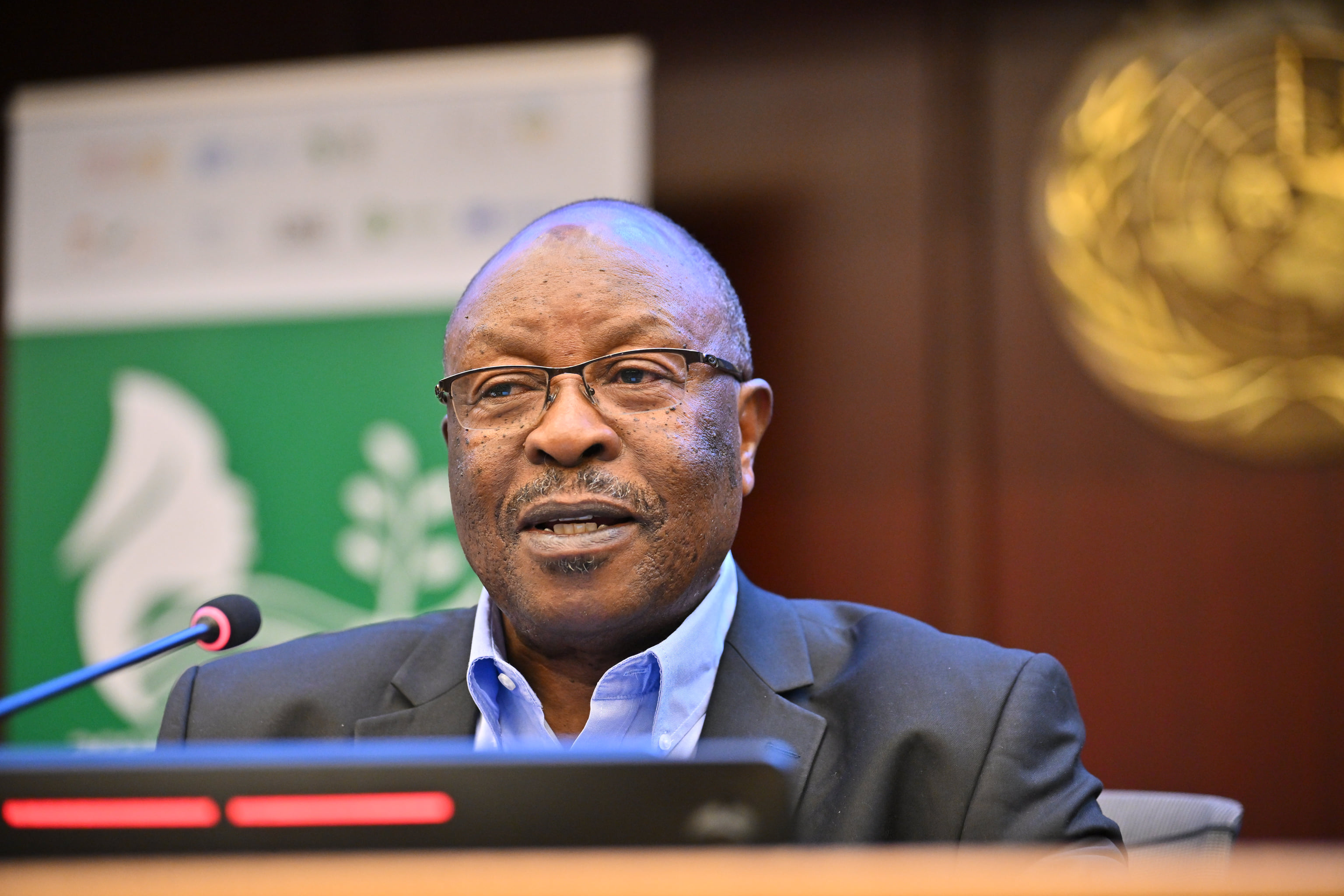
Prof. Kimani Njogu moderating a plenary session
Twaweza Communications is a Nairobi-based strategic communications and publishing institution focused on public policy, media, culture, and people-centred governance; its work includes research, advocacy, capacity building, and documentation for sustainable development and equitable governance.
Twaweza’s strengths in locally grounded storytelling, accessible documentation, media and policy engagement, and experience curating knowledge products complement CLPA priorities in three concrete ways.
- First, Twaweza can and does translate technical land-policy outputs into culturally resonant narratives and multilingual materials that build public awareness and strengthen demand for reparative land justice.
- Second, the organisation’s convening and publishing capacity can support dissemination of conference resources, policy briefs, and community-level guidance (noting Twaweza’s role in curating CLPA resource libraries).
- Third, Twaweza’s experience in civic education and legal-literacy projects underpin post-conference implementation by enabling community actors such as women’s groups, customary councils, and local governments to engage more effectively in land administration, grievance mechanisms, and benefit-sharing negotiations.
For more information regarding this event and possible partnership CONTACT US